
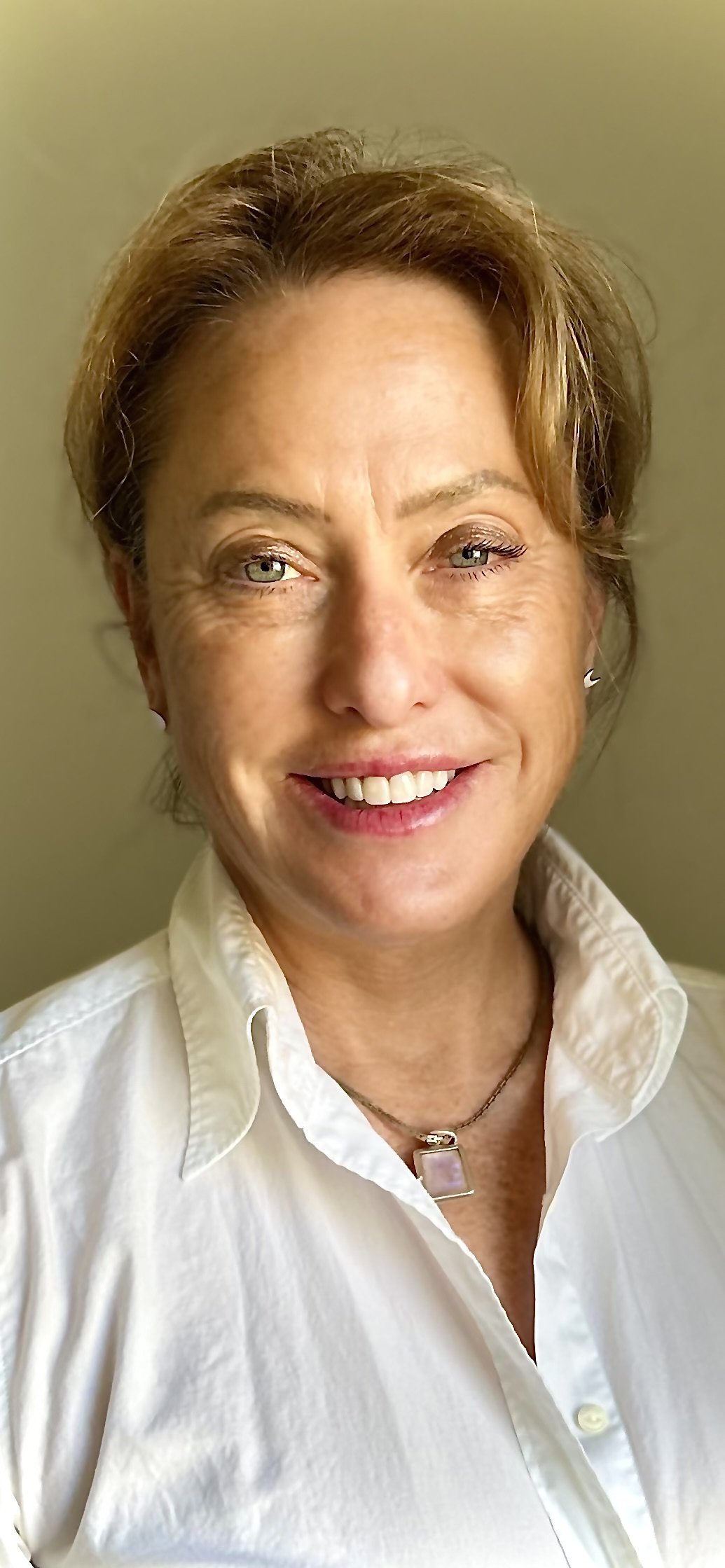
Hi, I’m Molly. I sit with people in the part of loss nobody warns you about.
I’m a trained and certified Grief and Bereavement Coach in Boise, Idaho. I work with people who have lost someone or something they love and are trying to figure out how to live now.
Read how I work

What drew me to grief work
Before this, I had a general life coaching practice. In 2024 and 2025, I kept meeting clients who wanted to move forward and couldn't, and after a few sessions it was clear why. It wasn't a lack of motivation or a bad plan. It was grief that had never been given room. Someone important to them had died, and life had quietly asked them to carry it and keep going.
What struck me most was how alone they felt in it, and how misunderstood. Nobody had told them that what they were feeling was normal. Nobody had simply listened. So I did. I found that I could hold space for that pain, be a witness to it, and walk beside it without trying to fix it. And when people were finally heard, something loosened. Grief turned out to be one of the most profound experiences a person can go through, and when it's met with care, it opens up room for growth in every part of life.
That's when I decided to do this work properly.
Why I went and got trained with serious certifications
Good instincts are not enough for this. I have my own grief and loss story, and I wanted to be sure I knew how to bring that into a supportive role without letting it become about me. I wanted a process for healing that's built on current research and backed by people who have spent their careers studying grief. And I did not want to hurt anyone by skipping that part.
Not everyone who calls themselves a grief coach has done that training, and I've seen what it costs the people they work with. I have a degree in psychology and a background in mental health, and I take this seriously: intuition alone is not responsible care. Compassionate, informed, honest care is what I'm here to provide.
Most people live with unprocessed grief that colors the rest of their life. Unnecessarily. I want to emphasize that word.
HOW I WORK
Two things I hold myself to
I know my lane.
I know what a coach can with a client, and I know when someone needs a licensed clinician instead. I feel a deep responsibility here, and I can tell when a person needs more than I can give. If that’s you, I’ll say so, and I’ll help you find it.
I keep learning.
Grief isn’t one thing. Anticipatory grief, disenfranchised grief, losing a spouse, a sibling, a child: each as its own shape, its own needs, and its own tools, and the research backs that up. I dig into each one, and I’m always hungry to understand how to be more help.
Training and background
Certified Bereavement CoachSymbiosis (ICF-accredited), 2025
Grief Coach CertificationEfficient Coaching, 2025
Certified Grief Recovery CoachMy Certification Academy, 2024
Continuing education, 2026Grief Therapy Masterclass (Psychotherapy.net); Grief Treatment Toolbox (PESI)
B.A. PsychologySUNY Stony Brook, 1988
I'm a coach, not a therapist or a doctor. Coaching vs. therapy →
Why I won’t stop
Because this kind of help is hardly ever available to anyone. Most people are handed a few weeks of casseroles and then expected to be fine. They aren't fine. They just get quiet about it, and the grief goes on shaping their days for years.
It doesn't have to. I can help people not live like that. And I've watched something else happen too: when grief is finally processed and understood, this one short life can feel even more loving and more rich than it did before. That makes every bit of this worth it.
Getting out there and in front of people is hard. I'm not going to give up. Yes, I need to make a living, and this is the only way I want to make it.
See ways to work together